


Overview
Cosmetic GMP (Good Manufacturing Practices) plays a critical role in ensuring the safety, quality, and consistency of cosmetic products. With increasing consumer awareness and regulatory scrutiny, manufacturers must adhere to stringent standards to maintain trust and compliance. A comprehensive cosmetic GMP checklist guides facilities through essential steps for safe production, minimizing risks of contamination and defects.
In the context of cosmetics, GMP encompasses all aspects of production, from raw material sourcing to packaging and distribution. This holistic approach ensures products are not only effective but also safe for consumer use. Implementing a robust GMP system aligned with internationally recognized standards such as ISO 22716 helps cosmetic manufacturers meet regulatory requirements and enhance product traceability.
"Strict adherence to cosmetic GMP is foundational to delivering safe, high-quality products that consumers can trust."
This article outlines a detailed checklist covering key elements such as hygienic design, batch documentation, staff training, and internal audits. By following these guidelines, cosmetic manufacturers can establish a controlled environment that supports continuous improvement and regulatory compliance.
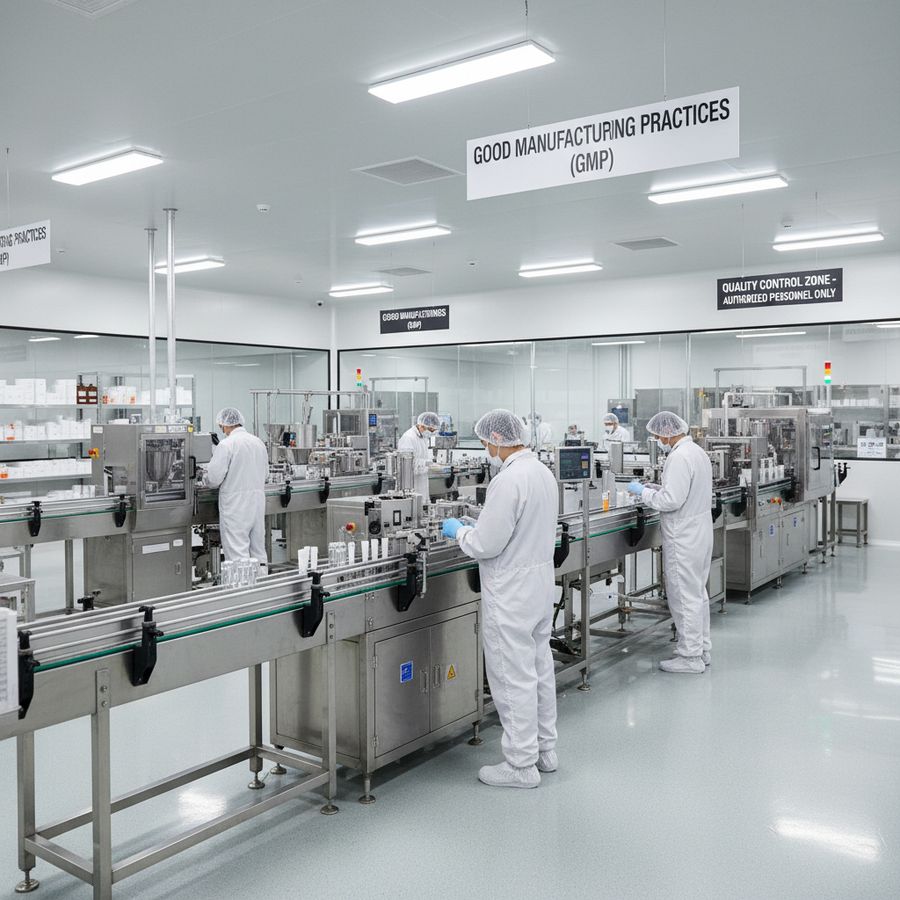
What Cosmetic GMP Means in Daily Production
In daily operations, cosmetic GMP translates into meticulous control over every manufacturing step to prevent product contamination and ensure quality. This means maintaining a clean and organized environment, validating equipment cleanliness, and monitoring production processes closely.
Operators and supervisors must follow standardized procedures that cover raw material handling, mixing, filling, and packaging. Each stage requires documentation and adherence to protocols to maintain product integrity.
-
Consistent hygiene practices: Regular sanitation and proper protective gear.
-
Process controls: Precise measurements and validated equipment.
-
Documentation: Recording batch details, deviations, and corrective actions.
Traceability is a cornerstone of GMP in daily production, enabling manufacturers to track every batch from ingredient sourcing to final product delivery. This traceability supports swift responses to quality issues and facilitates recalls if necessary.
"Daily compliance with cosmetic GMP safeguards consumer safety and preserves brand reputation."
ISO 22716 Requirements for Cosmetic Facilities
ISO 22716 is the internationally recognized guideline for cosmetic GMP, providing a framework to implement best practices in manufacturing, control, storage, and shipment of cosmetic products. It emphasizes quality management tailored to the unique challenges of cosmetics production.
The standard covers:
-
Quality management systems: Establishing clear responsibilities and documentation.
-
Personnel qualifications: Ensuring staff are trained and competent.
-
Premises and equipment: Designing hygienic facilities and maintaining equipment.
-
Production controls: Monitoring processes to guarantee batch consistency.
-
Storage and distribution: Protecting product quality during handling and transport.
Compliance with ISO 22716 demonstrates a commitment to safe manufacturing and is often a prerequisite for market access. It also reinforces the importance of batch records and comprehensive documentation to maintain full traceability throughout the product lifecycle.
"Adhering to ISO 22716 elevates cosmetic manufacturing standards and ensures regulatory alignment."
Hygienic Design for Equipment and Work Areas
Hygienic design is fundamental to preventing contamination in cosmetic manufacturing. Equipment and work areas must be constructed to allow easy cleaning, minimize microbial growth, and withstand frequent sanitation.
Key considerations include:
-
Smooth, non-porous surfaces: To prevent dirt and microbes from accumulating.
-
Accessible equipment: Designed for easy disassembly and cleaning.
-
Controlled environment: Adequate ventilation and air filtration systems.
-
Separation of zones: Segregating raw material areas from finished product zones.
Maintaining a hygienic environment also depends on routine cleaning schedules and verification of sanitation effectiveness. Proper design reduces the risk of cross-contamination, a crucial factor in producing safe cosmetic products.
"Thoughtful hygienic design creates a foundation for contamination-free cosmetic manufacturing."
Batch Records and Traceability for Every Product
Batch records are the backbone of traceability in cosmetic GMP. They document every detail of the manufacturing process for each batch, including raw materials used, equipment settings, personnel involved, and quality control results.
Effective batch documentation enables:
-
Full traceability: Tracking ingredients from suppliers to finished products.
-
Quality assurance: Ensuring each batch meets specifications.
-
Recall readiness: Quickly identifying affected products in case of defects.
Traceability extends beyond production to encompass storage and distribution, maintaining a clear chain of custody. Digital systems are increasingly used to enhance accuracy and facilitate real-time access to batch data.
"Robust batch records empower cosmetic manufacturers to uphold quality and swiftly address any safety concerns."
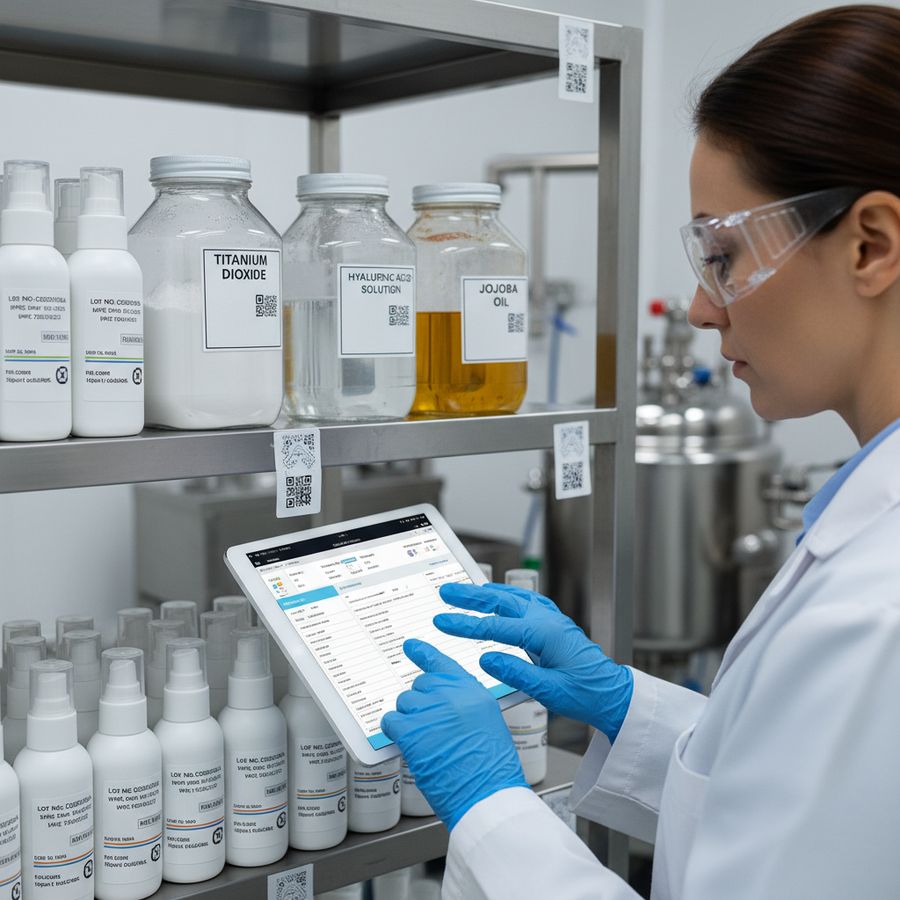
Staff Training and Hygiene to Prevent Contamination
Well-trained staff are essential to implementing cosmetic GMP effectively. Training programs must cover hygiene practices, operational procedures, and awareness of contamination risks.
Key training topics include:
-
Personal hygiene: Proper handwashing, use of protective clothing, and behavior in clean zones.
-
Equipment operation: Correct handling and maintenance.
-
GMP protocols: Understanding documentation, deviations, and corrective actions.
Regular refresher courses and monitoring ensure employees maintain high standards. Encouraging a culture of responsibility and cleanliness helps prevent accidental contamination, protecting product quality.
"Empowered and knowledgeable staff are the first line of defense against cosmetic product contamination."
Internal Audits and CAPA for Continuous Improvement
Internal audits are vital for verifying compliance with cosmetic GMP and identifying areas for improvement. These systematic reviews assess processes, documentation, and facility conditions to ensure standards are consistently met.
Following audits, a Corrective and Preventive Action (CAPA) system addresses identified non-conformities. CAPA involves:
-
Root cause analysis: Understanding underlying issues.
-
Implementing corrective actions: Fixing problems promptly.
-
Preventive measures: Avoiding recurrence.
Continuous improvement driven by audits and CAPA enhances product safety, operational efficiency, and regulatory compliance. This proactive approach fosters a culture of quality within cosmetic manufacturing facilities.
"Internal audits combined with CAPA mechanisms ensure cosmetic GMP evolves with changing standards and challenges."
Conclusion
Implementing a thorough cosmetic GMP checklist is essential for safe and compliant manufacturing. From understanding daily GMP practices to meeting ISO 22716 requirements, every element contributes to delivering high-quality products that consumers trust.
Prioritizing hygienic design, meticulous batch records, and thorough staff training minimizes contamination risks. Additionally, internal audits and CAPA systems promote continuous improvement, ensuring that manufacturing processes stay in line with evolving regulations. For more insights on best practices, check this out.
Adopting these GMP principles not only fulfills regulatory obligations but also reinforces a brand's commitment to quality and safety. Cosmetic manufacturers who prioritize GMP create a solid foundation for sustainable success in today’s competitive and conscientious market.
"A steadfast commitment to cosmetic GMP safeguards consumers and elevates the integrity of every product produced."


