

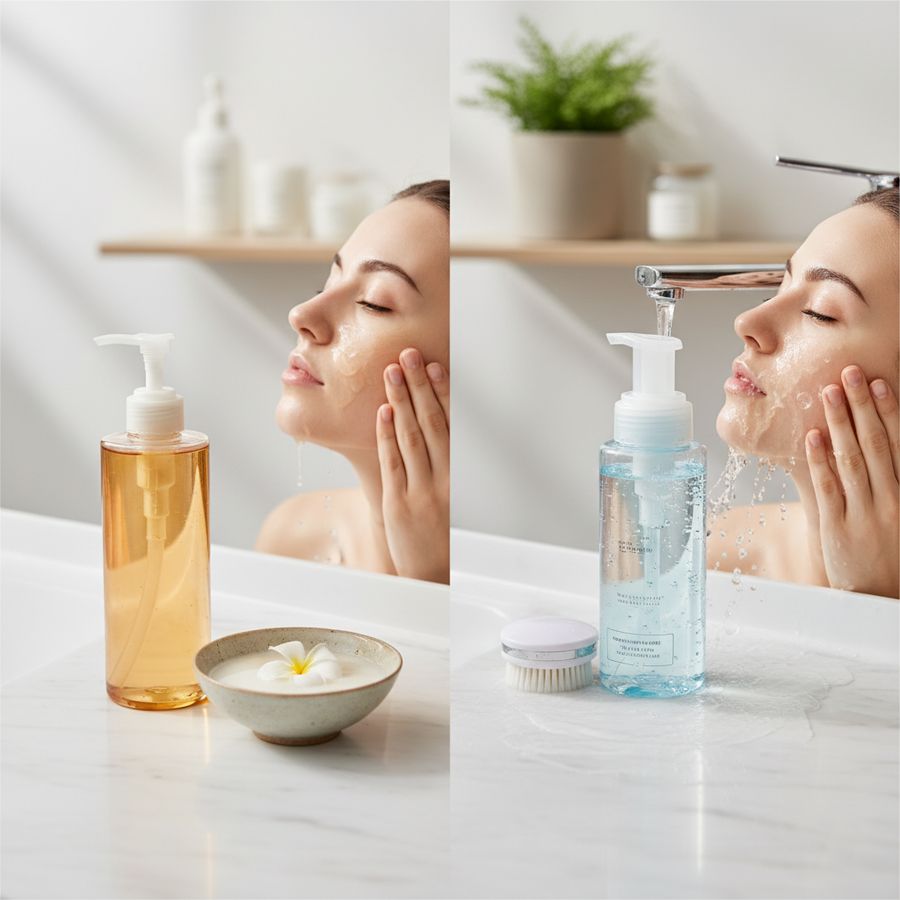
Overview
Oil-to-milk cleansers have become a transformative addition to skincare routines, especially for those with sensitive skin. These innovative cleansers offer a gentle yet effective method for removing makeup, impurities, and excess oils without compromising the skin's natural moisture barrier. Unlike traditional harsh makeup removers or foaming cleansers, oil-to-milk cleansers start with an oil-based formula that emulsifies upon contact with water, turning into a milky texture that rinses off cleanly.
This unique formula provides the best of both worlds: the deep cleansing power of oils and the refreshing finish of a water-based cleanser. For individuals with sensitive or reactive skin, this balance is crucial. Many conventional makeup removers can irritate or dry out delicate skin, leading to redness and discomfort. In contrast, oil-to-milk cleansers are designed to be soothing and hydrating, often enriched with botanical extracts and nourishing oils that protect the skin's barrier while cleansing.
Gentle cleansing is key for maintaining healthy skin, and the oil-to-milk method respects the skin's pH and lipid balance. This makes it an ideal choice for those who experience redness, dryness, or sensitivity after cleansing. Additionally, they effectively dissolve waterproof makeup and sunscreen, which can be challenging to remove without aggressive rubbing or multiple products.
“An oil-to-milk cleanser is a game-changer for sensitive skin, offering thorough makeup removal with a soothing finish that nurtures the skin barrier.”
Incorporating an oil-to-milk cleanser into your daily skincare routine can significantly improve skin comfort and clarity, making it easier to embrace a gentle cleansing ritual that supports skin health rather than stripping it. This approach aligns perfectly with modern skincare trends that emphasize sustainable, cruelty-free, and vegan ingredients, ensuring a nourishing experience that is both ethical and effective.
How oil-to-milk cleansers work on makeup
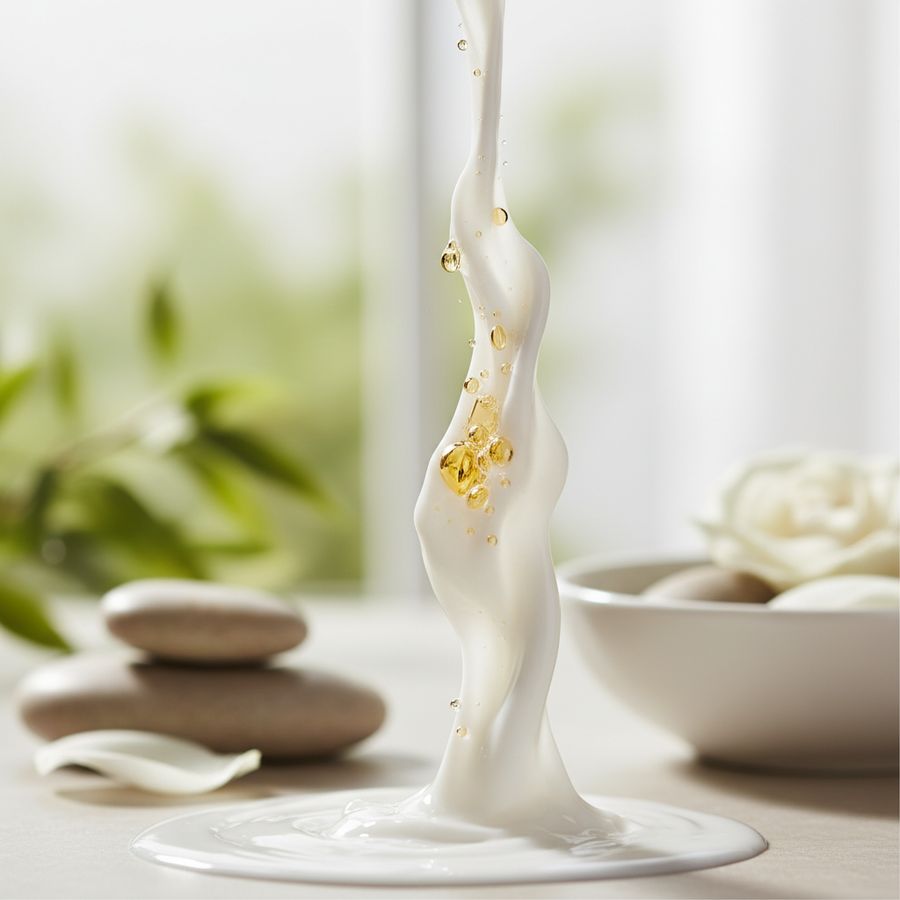
Understanding how an oil-to-milk cleanser functions can help you appreciate why it's such an effective makeup remover, particularly for sensitive skin. The core principle behind these cleansers lies in their dual-phase action. Initially, the cleanser is an oil that dissolves oil-based impurities, such as makeup, sebum, and sunscreen. When you massage it onto your face, the oils bind with stubborn makeup particles, loosening them gently without harsh rubbing.
When water is added, the oil transforms into a milky emulsion. This transformation is crucial because it allows the cleanser to rinse off easily, removing both the makeup and any residual oil without leaving a greasy film. This emulsification also helps avoid pore clogging, which can result from leftover oils.
The benefits of this process include:
Deep makeup removal: Effectively breaks down waterproof and long-wear makeup.
Gentle on skin: No need for aggressive scrubbing, which can irritate sensitive skin.
Hydrating finish: Leaves skin feeling soft, not tight or stripped.
Supports skin barrier: Maintains natural oils critical for a healthy complexion.
Because oil dissolves oil, these cleansers are particularly adept at tackling sebum and makeup in one step, making them a favorite among skincare enthusiasts who value efficiency and care. Moreover, the conversion to milk upon water contact ensures that the product is easily washable, leaving no residue that might cause irritation or breakouts.
“Oil-to-milk cleansers provide a harmonious balance of thorough cleansing and gentle care, making them perfect for sensitive skin types struggling with makeup removal.”
Using this type of cleanser regularly can help maintain a clear complexion while reducing the risk of inflammation and dryness often associated with traditional cleansing methods.
Best cleanser for sensitive skin and redness
Choosing the best cleanser for sensitive skin and redness requires a formula that cleanses effectively without aggravating delicate skin. Oil-to-milk cleansers are increasingly celebrated as an optimal choice because they combine gentle makeup removal with hydrating, soothing ingredients that calm irritation.
For sensitive skin prone to redness, look for cleansers that include natural botanical extracts such as chamomile, calendula, or aloe vera, which provide anti-inflammatory benefits. Ingredients like ceramides and squalane help reinforce the skin's protective barrier, preventing moisture loss and reducing sensitivity over time.
Key qualities of an ideal sensitive skin cleanser include:
Fragrance-free and hypoallergenic: Minimizes risk of irritation or allergic reactions.
Non-comedogenic: Does not clog pores or contribute to breakouts.
pH balanced: Maintains the skin's natural acidity for barrier health.
Rich in nourishing oils: Such as jojoba, almond, or sunflower oil to soothe and hydrate.
Many oil-to-milk cleansers designed for sensitive skin also avoid harsh surfactants found in foaming cleansers, which can strip the skin and exacerbate redness. Instead, they cleanse gently while promoting a calm, balanced complexion. Regular use can help reduce visible redness and prevent flare-ups associated with dryness or irritation.
“The best gentle cleanser is one that removes impurities with care — oil-to-milk formulas expertly cater to sensitive skin and redness by nurturing the skin barrier while cleansing.”
When selecting a cleanser, always patch test new products and consider those with clear ingredient transparency and vegan, cruelty-free certifications that align with your values and skin needs.
Double cleansing steps for clean pores
Double cleansing is a popular skincare technique that ensures thorough removal of makeup, sunscreen, and impurities — essential for maintaining clean pores and healthy skin. This method is especially beneficial for people with sensitive skin who want to avoid irritation from over-cleansing.
The first step typically involves an oil-based cleanser, like an oil-to-milk cleanser, to dissolve makeup and dissolve excess sebum. Because oil attracts oil, this step is very effective at breaking down stubborn makeup and impurities without harsh rubbing.
The second step uses a gentle water-based cleanser to remove any remaining residue and refresh the skin. This two-step process ensures that pores are deeply cleansed without compromising the skin's moisture balance.
Here's a simple double cleansing routine:
Step 1: Apply the oil-to-milk cleanser on dry skin, massage gently to dissolve makeup and dirt.
Step 2: Add lukewarm water to emulsify the cleanser into milk, then rinse thoroughly.
Step 3: Follow with a mild, fragrance-free cleansing foam or gel to remove any leftover impurities.
Step 4: Pat skin dry with a soft towel and proceed with your skincare routine.
This method reduces the risk of clogged pores, breakouts, and irritation, making it ideal for sensitive and redness-prone skin. It also helps skin better absorb subsequent skincare products like serums and moisturizers, enhancing their effectiveness.
“Double cleansing is a gentle yet powerful ritual to maintain pore clarity and skin health, especially when using an oil-to-milk cleanser as the first step.”
By adopting this routine, you can enjoy the benefits of a thorough cleanse while preserving a calm, hydrated complexion.
Oil cleanser vs cleansing foam differences
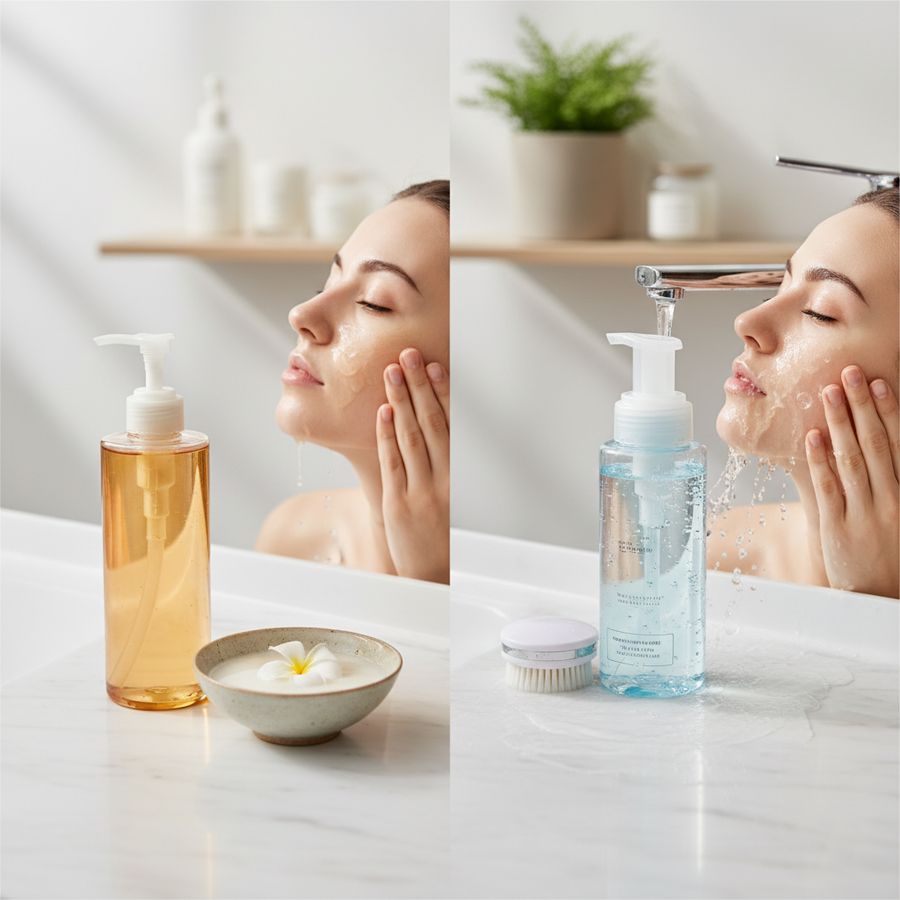
When it comes to choosing a gentle cleanser for sensitive skin, understanding the differences between an oil cleanser and a cleansing foam is essential. Both have their place in skincare but function differently and suit different skin needs.
Oil cleansers are designed to dissolve makeup, sunscreen, and sebum using oils that bind to these substances effectively. They are gentle, hydrating, and less likely to disrupt the skin's natural barrier. Oil cleansers are particularly beneficial for sensitive, dry, or redness-prone skin because they cleanse without stripping moisture.
In contrast, cleansing foams rely on surfactants to create a lather that removes dirt and oils. While cleansing foams can leave skin feeling refreshed, they sometimes contain harsher ingredients that may strip natural oils, leading to dryness and irritation, especially in sensitive skin types.
Here's a breakdown of their key differences:
Texture: Oil cleansers are rich and silky; foams are light and bubbly.
Function: Oils dissolve oil-based impurities; foams remove water-soluble dirt.
Skin impact: Oils nourish and protect; foams can be drying if too harsh.
Removal: Oil cleansers emulsify with water and rinse clean; foams rinse off with water.
For sensitive skin, an oil-to-milk cleanser offers a more balanced and soothing cleansing experience. Many skincare experts recommend using oil cleansers first in a double cleansing routine, followed by a gentle cleansing foam to ensure all impurities are removed without damage to the skin.
“Choosing the right cleanser means understanding your skin's needs — oil cleansers nurture and dissolve makeup gently, while foaming cleansers refresh but can risk dryness if not chosen carefully.”
How to avoid stripping your skin barrier
Maintaining a healthy skin barrier is paramount, especially for those with sensitive skin prone to redness and irritation. The skin barrier protects against environmental aggressors and locks in moisture, so preserving its integrity during cleansing is critical.
To avoid stripping your skin barrier, follow these essential guidelines:
Choose gentle cleansers: Opt for oil-to-milk or mild, fragrance-free cleansers formulated for sensitive skin.
Avoid harsh surfactants: Ingredients like sodium lauryl sulfate can disrupt the lipid layer and cause dryness.
Limit washing frequency: Cleansing twice daily is sufficient; over-washing can weaken the barrier.
Use lukewarm water: Hot water can strip oils and cause irritation.
Pat dry gently: Avoid rubbing your skin with towels.
Moisturize immediately: Apply a nourishing moisturizer to lock in hydration after cleansing.
Incorporating an oil-to-milk cleanser helps protect the skin's natural oils while effectively removing impurities. These formulas are less likely to cause dryness or inflammation, supporting barrier repair and resilience.
“Protecting your skin barrier starts with gentle cleansing habits and choosing products that respect your skin's natural balance.”
By adopting these practices, you can prevent sensitivity flare-ups and maintain a smooth, hydrated complexion.
Cleansing tips for dry and reactive skin
Dry and reactive skin demands a delicate approach to cleansing to avoid exacerbating sensitivity or dryness. Adopting the right cleansing routine can soothe irritation and promote a healthier skin barrier.
Tips for cleansing dry and reactive skin include:
Use oil-to-milk cleansers: These provide hydration while cleansing, reducing the risk of tightness and redness.
Avoid foaming cleansers with harsh detergents: They can strip natural oils, worsening dryness.
Limit cleansing to twice a day: Over-cleansing can dry out and irritate the skin.
Use gentle, upward motions: Avoid scrubbing or aggressive rubbing during cleansing.
Rinse with lukewarm water: Hot water can trigger redness and dryness.
Follow with hydrating toner or serum: Apply calming ingredients like hyaluronic acid or niacinamide immediately after cleansing.
Moisturize promptly: Seal in hydration with creams rich in ceramides or plant oils.
Incorporating these tips ensures your cleansing routine supports your skin's natural defenses rather than undermining them. Choosing products formulated for sensitive skin, such as an oil-to-milk cleanser, can transform your daily skincare into a soothing ritual.
“Gentle cleansing paired with nourishing skincare helps dry and reactive skin stay calm, hydrated, and balanced.”
Conclusion
For those with sensitive skin, selecting the right makeup remover and gentle cleanser can be quite challenging. The oil-to-milk cleanser stands out as a superior option, providing effective makeup removal while gently caring for the skin's delicate barrier. Its unique ability to transform from oil to milk ensures that impurities are dissolved and rinsed away without causing harshness or dryness.
Incorporating oil-to-milk cleansers into a double cleansing routine further enhances pore clarity and skin health, especially when followed by a gentle water-based cleanser. This method balances thorough cleansing with skin barrier protection, reducing redness and irritation commonly experienced by sensitive skin types.
By understanding the differences between oil cleansers and cleansing foams, and following practical tips to avoid stripping the skin barrier, you can enjoy a healthy, hydrated complexion that feels comfortable and looks radiant. Choosing products formulated specifically for sensitive skin — ideally vegan, cruelty-free, and enriched with soothing plant-based ingredients — aligns with both your skin's needs and your values.
Shop Sensitive Skin Oil-To-Milk Cleanser →
“Embrace the gentle power of oil-to-milk cleansing to protect, nourish, and reveal your skin's natural beauty every day.”


