

Overview
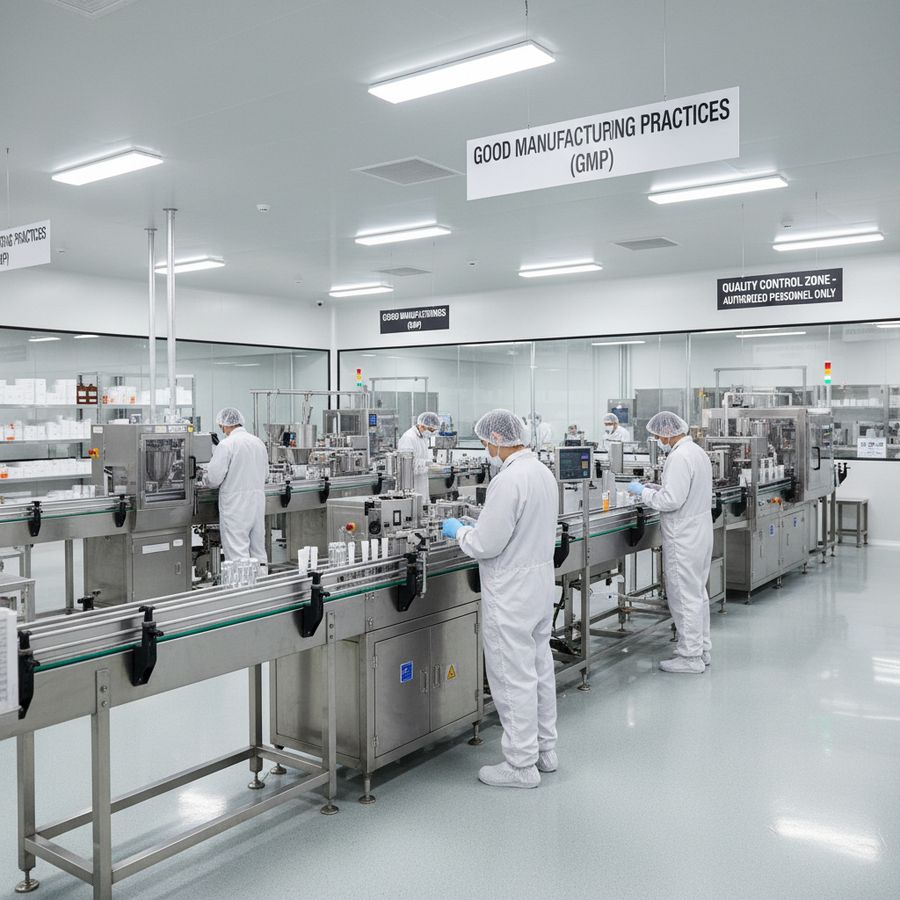
ISO 22716:2007 provides comprehensive guidelines for good manufacturing practices (GMP) in the cosmetics industry, focusing heavily on quality control to ensure product safety and consistency. This standard is essential for cosmetic manufacturers aiming to maintain high standards in production, packaging, storage, and distribution.
Quality control under ISO 22716 addresses all stages of cosmetic production, emphasizing documentation, hygiene, and process control. By adhering to these guidelines, manufacturers can ensure that their products meet regulatory requirements and consumer expectations, reducing risks related to contamination or product failure.
"Implementing ISO 22716 quality control protocols not only boosts product safety but also strengthens consumer trust and brand reputation."
With growing consumer awareness about product safety and ethical manufacturing, compliance with ISO 22716 has become a mark of excellence in cosmetic production. It also supports companies in meeting both European and international regulatory frameworks, facilitating smoother market access.

Qc vs Qa Roles Under ISO 22716:2007
Quality Control (QC) and Quality Assurance (QA) play distinct but complementary roles in cosmetic production under ISO 22716:2007. QC focuses primarily on operational techniques and activities used to fulfill quality requirements, such as inspection, testing, and sampling. QA, on the other hand, oversees the entire quality management system to ensure processes are adequate and effective.
QC is responsible for monitoring in-process testing points and finished product release criteria, ensuring products conform to specifications. QA ensures that quality policies and procedures are established, maintained, and continuously improved to prevent defects.
"While QC identifies defects, QA is proactive in preventing them, providing a robust framework for product quality."
Both roles require clear documentation and communication. QA audits and reviews help verify that QC activities are performed correctly and consistently. Together, they ensure that cosmetic products meet ISO 22716 quality control standards from raw material receipt through final release.
Sampling Plans and In-Process Testing Points
Sampling is a critical aspect of ISO 22716 quality control, designed to verify product conformity without testing every batch. Effective sampling plans balance thoroughness and efficiency, specifying sample size, frequency, and acceptance criteria. These plans are tailored based on product risk, complexity, and regulatory requirements.
In-process testing points are strategically located during production to monitor critical parameters such as pH, viscosity, color, and microbial load. These checkpoints help detect deviations early, allowing corrective actions before final product release.
- Raw material sampling for identity and purity
- Intermediate product testing for process control
- Final product sampling for conformity and safety
"Consistent application of sampling and in-process testing ensures reliability and safety in cosmetic manufacturing."
Documented protocols for sampling and testing also support traceability and compliance with regulatory audits, reinforcing the manufacturer’s commitment to quality and consumer safety.
Microbial Limits and Preservative Effectiveness Basics
Maintaining microbiological safety is paramount in cosmetic production. ISO 22716 requires adherence to established microbial limits to prevent contamination that could harm consumers or degrade product quality.
Microbial testing typically targets bacteria, yeast, and molds, ensuring counts remain below specified thresholds. Cosmetic products, especially those with water content, must also undergo preservative effectiveness testing to confirm that preservatives adequately inhibit microbial growth throughout shelf life.
"Microbiological testing safeguards product integrity and consumer health, making it a cornerstone of cosmetic quality control."
Effective preservative systems must be validated regularly, considering formulation changes and potential microbial resistance. Combining microbiological limits with preservative efficacy testing ensures long-lasting product safety and compliance with ISO 22716 guidelines.

Release Procedures for Finished Cosmetic Products
The finished product release process under ISO 22716 is a stringent checkpoint confirming that all quality criteria have been met before market distribution. This involves a final review of test results, batch records, and compliance documentation.
Release procedures typically include verification of physical, chemical, and microbiological test outcomes, ensuring products are safe, effective, and consistent with specifications. Any nonconformity identified must be addressed before approval.
"Thorough finished product release procedures are essential to guarantee consumer safety and maintain brand integrity."
Documentation must be comprehensive and traceable, allowing quick investigation if post-market issues arise. Adopting robust release protocols aligns cosmetic manufacturers with ISO 22716 quality control expectations and regulatory demands.
Managing Nonconforming Product and Rework Controls
Nonconforming products are those that fail to meet specified quality standards. Effective management of such products is imperative to prevent their distribution and maintain compliance with ISO 22716.
Procedures must be in place to identify, segregate, and evaluate nonconforming batches. Decisions regarding rework, rejection, or disposal should be documented and authorized by quality personnel to ensure traceability.
- Investigation of root causes for nonconformity
- Approval processes for rework and corrective actions
- Monitoring of reworked product for compliance
"Managing nonconforming products with disciplined controls protects consumers and preserves manufacturing excellence."
This structured approach minimizes risks of defective products reaching consumers and supports continuous improvement within the quality management system.
Stability Testing Links to Production Consistency
Stability testing is essential in validating that cosmetic products maintain their quality, safety, and efficacy throughout their shelf life. It assesses how environmental factors such as temperature, humidity, and light affect the product over time.
ISO 22716 quality control emphasizes stability as a measure of production consistency, ensuring that each batch meets the same standards as those initially tested. Stability results guide formulation adjustments and packaging decisions.
"Consistent production quality is reinforced through rigorous stability testing, ensuring reliable performance for consumers."
Regular stability testing helps detect potential degradation or microbial growth, enabling proactive measures to maintain product integrity and comply with regulatory expectations.
Conclusion
Adherence to ISO 22716 quality control guidelines is indispensable for cosmetic manufacturers committed to delivering safe, effective, and consistent products. From distinguishing QC and QA roles to implementing rigorous sampling, microbial testing, and finished product release procedures, every step plays a vital role.
Effective management of nonconforming products and robust stability testing further reinforce production excellence. Together, these components create a comprehensive quality framework that not only complies with regulatory standards but also builds consumer confidence in vegan, cruelty-free cosmetic products.
"Implementing ISO 22716 quality control ensures that cosmetic products meet the highest standards of safety and quality, reflecting a brand’s dedication to ethical and effective skincare."
Cosmetic producers embracing these standards can confidently position their products in a competitive market, meeting the expectations of discerning customers worldwide.


