

Overview
Vitamin C serum has become a cornerstone in modern skincare routines, renowned for its brightening and dark spot care benefits. This potent antioxidant serum offers a natural way to rejuvenate dull, tired skin and combat hyperpigmentation, revealing a radiant, even complexion. Derived from vitamin C, also known as ascorbic acid, this serum helps to protect the skin from environmental damage while stimulating collagen production for firmer, healthier skin.
The appeal of vitamin C serum lies in its multifunctional properties. It not only brightens the skin but also aids in reducing the appearance of dark spots, sun damage, and uneven tone. Suitable for most skin types, including sensitive skin, it is often formulated with complementary ingredients to enhance its effectiveness and stability.
Brightening serums containing vitamin C are typically lightweight and fast-absorbing, making them ideal for layering under moisturizers and sunscreens. Regular use can transform the skin’s texture and tone, promoting a youthful glow. Due to its antioxidant power, vitamin C serum also helps defend skin cells against oxidative stress caused by pollution and UV rays.
“Incorporating a vitamin C serum into your daily skincare routine is a simple yet powerful step toward achieving a brighter, more even complexion while protecting your skin from environmental aggressors.”
Overall, vitamin C serum is a must-have for those seeking a natural, effective solution to brighten their skin and address hyperpigmentation concerns. Its versatility and skin-enhancing benefits make it a popular choice among skincare enthusiasts worldwide.
What vitamin C does for brighter skin
Vitamin C plays a vital role in brightening the skin by inhibiting melanin production, the pigment responsible for darkening the skin. By targeting the enzyme tyrosinase, vitamin C effectively reduces the formation of excess pigment, helping to fade dullness and promote a more luminous complexion.
Beyond its pigment-lightening effects, vitamin C also stimulates collagen synthesis, which helps improve skin texture and firmness. Collagen is crucial for maintaining the skin’s elasticity and youthful appearance. As vitamin C encourages collagen production, it supports skin renewal and repair, making the skin look healthier and more radiant.
Moreover, vitamin C’s antioxidant properties neutralize free radicals—unstable molecules that damage skin cells and accelerate aging. This protective effect prevents oxidative stress, which can cause dullness and uneven skin tone over time. By defending against environmental damage, vitamin C serum keeps the skin looking fresh and revitalized.
Regular application of a vitamin C brightening serum can result in a visible improvement in skin clarity, glow, and smoothness. It is especially beneficial for those exposed to sun damage, pollution, or lifestyle factors that cause skin fatigue and discoloration.
To maximize the brightening effects, it’s important to use vitamin C serum consistently and pair it with other skin-protecting habits such as applying sunscreen daily. Vitamin C works synergistically with other antioxidants and hydrating ingredients, enhancing overall skin radiance.
Vitamin C for dark spots and uneven tone
Dark spots and uneven skin tone are common concerns caused by sun exposure, hormonal changes, acne scars, and aging. Vitamin C serum is an effective solution for addressing these issues due to its ability to inhibit melanin synthesis and promote skin regeneration.
By blocking the enzyme tyrosinase, vitamin C prevents the overproduction of melanin, which accumulates as dark spots or patches on the skin. Over time, this action helps to lighten existing hyperpigmentation and reduce the appearance of stubborn marks, leading to a more uniform complexion.
Vitamin C also supports the skin’s natural exfoliation process, encouraging the shedding of dead skin cells and revealing fresher, brighter skin underneath. This renewal process aids in fading discoloration and smoothing out uneven texture.
“Consistent use of vitamin C serum can significantly diminish the visibility of dark spots and create a more balanced, radiant skin tone.”
In addition to targeting pigmentation, vitamin C’s anti-inflammatory properties soothe the skin, which can help minimize redness and irritation that sometimes accompany hyperpigmentation. This calming effect makes it suitable for sensitive or acne-prone skin types.
For best results in dark spot care, vitamin C serum should be incorporated into a comprehensive skincare routine that includes gentle cleansing, moisturizing, and diligent sun protection to prevent further pigmentation.
How to layer vitamin C in morning routine
Proper layering of skincare products is essential to maximize the benefits of vitamin C serum in your morning routine. To ensure effective absorption and performance, follow a structured sequence when applying your products.
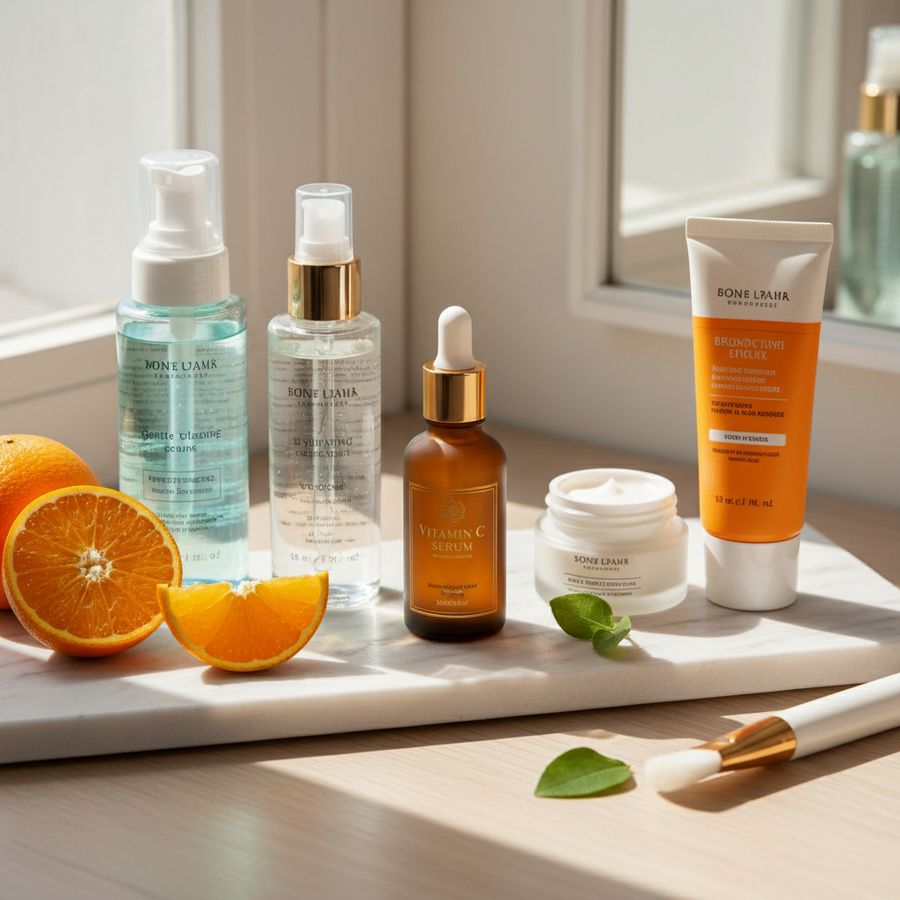
Start by cleansing your face with a gentle cleanser to remove impurities and prepare the skin. Next, apply a toner if you use one, which helps balance the skin’s pH and enhances serum penetration.
Vitamin C serum should be applied on clean, dry skin before moisturizing. Dispense a few drops onto your fingertips and gently pat it onto your face and neck, focusing on areas with dark spots or uneven tone. Allow a minute or two for the serum to absorb fully.
After the serum has settled, follow up with a hydrating moisturizer to lock in moisture and support the skin barrier. The moisturizer also creates a smooth surface for sunscreen application.
Finally, apply a broad-spectrum sunscreen with at least SPF 30 to protect your skin from harmful UV rays. Sunscreen is a crucial final step, as vitamin C can increase skin sensitivity to the sun.
-
Cleanse your skin thoroughly
-
Use toner (optional)
-
Apply vitamin C serum
-
Follow with moisturizer
-
Finish with sunscreen
Following this layering method will help you get the most out of your vitamin C serum, boosting its brightening and protective effects throughout the day.
Vitamin C and sunscreen: why both matter
Vitamin C and sunscreen work in harmony to provide comprehensive skin protection and enhance skin health. While vitamin C serum neutralizes free radicals and brightens the skin, sunscreen acts as a physical and chemical barrier against UV damage.
UV rays are a primary cause of premature aging, hyperpigmentation, and skin cancer. Even with antioxidant protection, unprotected sun exposure can cause significant skin harm. Therefore, using sunscreen daily is essential to prevent new dark spots and preserve the benefits of vitamin C serum.
The combination of vitamin C and sunscreen offers a dual defense:
-
Antioxidant protection: Vitamin C scavenges free radicals generated by UV exposure, reducing oxidative stress and inflammation.
-
Sun protection: Sunscreen blocks or absorbs UV rays, preventing DNA damage and melanin overproduction.
“Integrating vitamin C serum with regular sunscreen use enhances your skin’s resilience against environmental stressors and maintains a radiant, even complexion.”
Experts recommend applying vitamin C serum first to boost antioxidant defenses, followed by sunscreen to shield the skin from UV rays. This synergy not only protects but also helps prevent the formation of new dark spots and uneven tone, making it a cornerstone of effective skincare.
What to avoid mixing with vitamin C
While vitamin C serum is highly beneficial, certain skincare ingredients can reduce its effectiveness or cause irritation when combined. Understanding what to avoid mixing with vitamin C ensures optimal results and skin comfort.
Ingredients to avoid mixing directly with vitamin C serum include:
-
Retinol (Vitamin A): Both are potent actives but have different pH requirements. Using them simultaneously can destabilize vitamin C and cause irritation.
-
Niacinamide: Although recent studies show they can coexist, combining in high concentrations may reduce vitamin C’s brightening effects temporarily.
-
Benzoyl peroxide: This acne-fighting ingredient can oxidize vitamin C, making it less effective.
-
AHA/BHA acids: Using exfoliating acids with vitamin C can increase skin sensitivity and irritation if not layered carefully.
To safely use vitamin C alongside these ingredients, apply vitamin C serum in the morning and reserve retinol or strong acids for night routines. Alternatively, separate application times by at least 30 minutes or alternate days to minimize interaction.
Choosing formulations with stabilizing agents and gentle concentrations can also help reduce sensitivity and enhance vitamin C’s performance.
How long vitamin C takes to work
The timeline for visible results from vitamin C serum varies depending on individual skin type, concerns, and consistency of use. Generally, users can expect to notice improvements within a few weeks to a few months.
Initial effects (1-2 weeks): Many experience a subtle boost in radiance and hydration as vitamin C starts to neutralize free radicals and improve skin texture. Skin may feel smoother and appear more refreshed.
Visible brightening and dark spot reduction (4-6 weeks): With regular application, vitamin C’s melanin-inhibiting properties begin to fade hyperpigmentation, dark spots, and uneven tone. The skin’s brightness becomes more noticeable as discoloration diminishes.
Long-term benefits (3 months and beyond): Continued use promotes collagen synthesis and skin repair, leading to firmer, more resilient skin with a youthful glow. The antioxidant protection also reduces signs of aging and environmental damage.
“Patience and consistency are key to unlocking vitamin C serum’s full potential for brighter, clearer skin.”
To achieve the best outcomes, incorporate vitamin C serum into your daily skincare routine and maintain complementary habits like sun protection and gentle cleansing. This approach ensures your skin can fully benefit from this effective brightening serum.
Conclusion
Vitamin C serum is a powerful ally in the quest for bright, even-toned skin. Its ability to brighten dullness, fade dark spots, and protect against environmental damage makes it an indispensable element of modern skincare routines. With antioxidant properties and collagen-boosting effects, vitamin C supports skin health and youthful radiance.
For optimal results, it’s crucial to use vitamin C serum correctly—layer it properly in your morning routine, avoid any incompatible ingredients, and always follow up with sunscreen. Consistent use over time will lead to a visibly brighter complexion and reduced hyperpigmentation, helping you achieve the glowing skin you desire. To learn more about the best practices, check out this resource.Embrace the benefits of vitamin C serum today as part of your daily skincare regimen and enjoy a natural, effective solution for dark spot care and skin brightening that aligns with clean, vegan, and cruelty-free beauty values.


